
-
What Is Property Law Property law is the branch of law that governs the rights and obligations people have in relation to things they own. At its core, property law sets out who can own land, buildings, or goods, and how that ownership can be used, transferred, or disputed. Britannica defines property law as “the…
-
As lawyers, one of the most common questions clients ask us is this: “My case status says closed. What does that really mean—and is that the end of the road?” The term case status closed appears simple, but in practice, it carries different legal implications depending on how and why the case was closed. In…
-
In criminal law discussions, media reports, court proceedings, and everyday conversations, the words arrest, charge, and conviction are often used interchangeably. This misuse creates confusion, fuels misinformation, and in many cases unfairly damages reputations. We have seen people labeled “criminals” simply because they were arrested, even when no charges were ever filed or when they…
-
Across the globe, land remains one of the most valuable and contested assets known to mankind. From residential homes and commercial buildings to farmlands and industrial estates, land forms the foundation of wealth creation, economic development, and social stability. Yet, despite its importance, disputes over land ownership continue to dominate court dockets in Nigeria, the…
-
In today’s interconnected global economy, businesses shape nearly every aspect of our daily lives—from the food we eat and the technology we use to the jobs we hold and the services we rely on. Behind every successful business, however small or large, lies a complex legal framework that governs its existence, operations, and responsibilities. This…
-
In every criminal justice system across the world, one principle stands above all others: no person should be convicted of a crime unless it is proven. This foundational idea is captured by what lawyers call the burden of proof. Whether a criminal trial takes place in Nigeria, the United Kingdom, the United States, Canada, or…
-

In every civilized legal system, criminal justice is built on one fundamental principle: no one is guilty until proven guilty by a court of law. At the center of this principle stands the criminal defendant, also known as the accused person. Understanding who a criminal defendant is and what rights an accused person enjoys is…
-
Understanding the elements of a crime is one of the most important foundations of criminal law. Whether we are lawyers, law students, journalists, policy makers, business owners, or ordinary citizens, knowing what the prosecution must prove before someone can be convicted helps us understand justice, fairness, and the rule of law. At its core,…
-
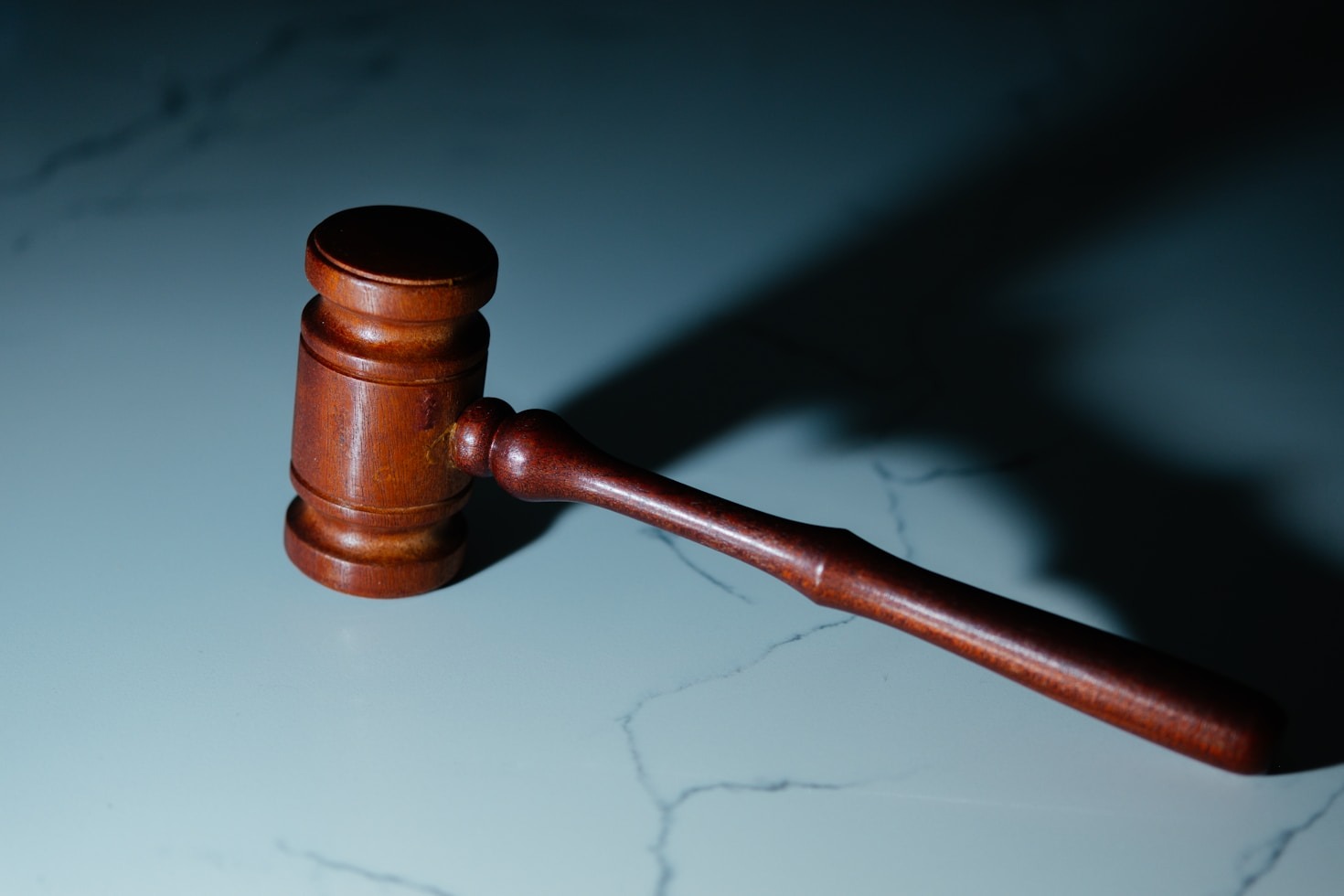
Understanding the difference between a felony and a misdemeanor is essential for anyone interested in law, justice, personal rights, or public safety. Whether we are lawyers, students, business owners, policy makers, or everyday citizens, knowing how crimes are classified helps us understand the seriousness of offences, the punishments involved, and their long-term consequences. Across the…
-

Criminal law is one of the most powerful instruments any society uses to maintain order, protect lives and property, and uphold justice. In Nigeria, criminal law defines what constitutes a crime, who may be held responsible, and the punishment that follows when the law is breached. As legal practitioners and scholars, we understand that many…